
Category: Culture and Heritage

भाग-दो : द्विराष्ट्र सिद्धांत और पसमांदा प्रतिरोध
डा. फैयाज अहमद फैजी के अनुसार, 1940 के दशक में मोमिन कॉन्फ्रेंस और पसमांदा नेतृत्व ने मुस्लिम लीग के द्विराष्ट्र सिद्धांत का मुखर विरोध किया। आसिम बिहारी और अब्दुल कय्यूम अंसारी जैसे नेताओं ने पसमांदा समाज को सांप्रदायिक राजनीति से सावधान करते हुए लोकतांत्रिक और साझा राष्ट्रवाद की राह दिखाई। 1946 के चुनाव में सीमित मताधिकार और कठिन परिस्थितियों के बावजूद मोमिन कॉन्फ्रेंस की चुनावी सफलता पसमांदा प्रतिरोध की महत्वपूर्ण मिसाल बनी।
Read More
उर्दू: एक सांप्रदायिक पहचान,सांप्रदायिक विभाजन से लेकर सामाजिक न्याय तक
यह लेख उर्दू भाषा के सांप्रदायिककरण की ऐतिहासिक पृष्ठभूमि, हिंदी-उर्दू विवाद और औपनिवेशिक नीतियों की पड़ताल करता है। साथ ही यह दिखाता है कि पसमांदा आंदोलन उर्दू को केवल मुस्लिम पहचान नहीं, बल्कि सामाजिक न्याय, साझा सांस्कृतिक विरासत और लोकतांत्रिक अधिकारों की भाषा के रूप में पुनर्स्थापित करने की कोशिश कर रहा है। लेख उर्दू के भविष्य को समावेशी और बहुलवादी दृष्टि से देखने की वकालत करता है।
Read More
अशराफी आधिपत्य के बरक्स पसमांदा अस्मिता का घोषणापत्र: ‘भारत के दलित मुसलमान’
डॉ. मो. अयुब राईन की पुस्तक *भारत के दलित मुसलमान* भारतीय मुस्लिम समाज के भीतर मौजूद जातिगत असमानता, सामाजिक बहिष्कार और पसमांदा समुदाय के ऐतिहासिक उत्पीड़न का गंभीर अध्ययन प्रस्तुत करती है। यह पुस्तक अशराफ़ी वर्चस्व, धर्मांतरण के बाद भी जारी जातिगत भेदभाव और सामाजिक न्याय के सवालों को तथ्यात्मक ढंग से सामने लाती है। साथ ही, यह पसमांदा समाज की गरिमा, अधिकार और समान भागीदारी के लिए वैचारिक चेतना तथा व्यापक बहुजन एकजुटता की आवश्यकता पर बल देती है।
Read More
मुस्लिम समाज की जाति व्यवस्था: आखिर कितनी कठोर?
पसमांदा आंदोलन भारतीय मूल के पिछड़े और दलित मुसलमानों के सामाजिक, शैक्षिक, आर्थिक और राजनीतिक सशक्तिकरण का आंदोलन है। इसका उद्देश्य उन्हें लोकतांत्रिक भागीदारी, संवैधानिक अधिकारों और सम्मानजनक प्रतिनिधित्व के प्रति जागरूक करना है। यह आंदोलन सामाजिक बहिष्कार और वर्चस्व की राजनीति के विरुद्ध समान अवसर, न्याय और आत्मसम्मान की आवाज़ बुलंद करता है, ताकि पसमांदा समाज मुख्यधारा में अपनी उचित हिस्सेदारी सुनिश्चित कर सके।
Read More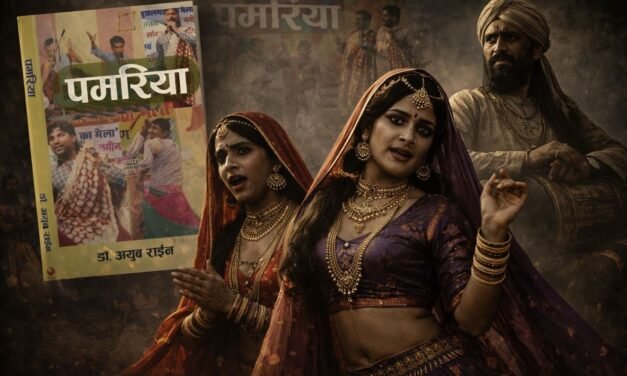
पमरिया: साझा संस्कृति का बोझ और पसमांदा पहचान का बहुजन विमर्श
डा० अयुब राईन की पुस्तक ‘पमरिया’ भारतीय लोक-संस्कृति के उस अनदेखे पक्ष को सामने लाती है, जहाँ मजहबी सीमाओं से परे साझा विरासत जीवित है। पमरिया समुदाय इस सांस्कृतिक समन्वय का जीवंत उदाहरण है।
Read More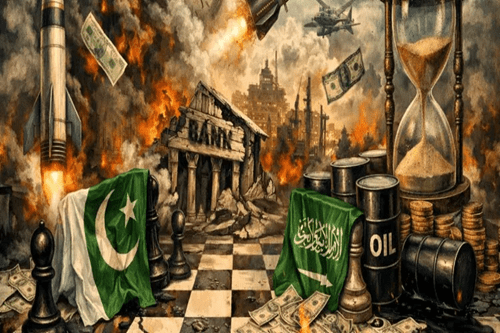
मध्य-पूर्व की राजनीति और पाकिस्तान का खेल
मध्य-पूर्व की राजनीति अक्सर “मुस्लिम उम्मत” के नारों में लिपटी दिखाई देती है, लेकिन हकीकत में यह राष्ट्रीय हितों, सुरक्षा चिंताओं और सत्ता की कठोर राजनीति से संचालित होती है। खाड़ी देशों की सुरक्षा व्यवस्था, पश्चिमी ताकतों पर उनकी निर्भरता और पाकिस्तान की “सैन्य सेवा” वाली भूमिका इसी यथार्थ को उजागर करती है। अगर पाकिस्तान ईरान के खिलाफ किसी युद्ध में उतरता है, तो यह केवल दो देशों का टकराव नहीं होगा, बल्कि पूरे दक्षिण एशिया की स्थिरता को झकझोर सकता है।
Read More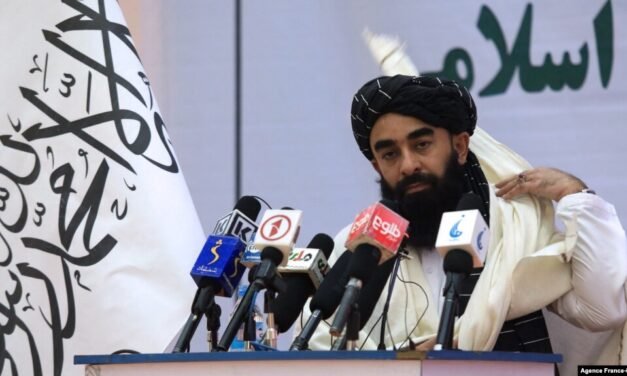
Not in Islam’s Name: Rethinking the Taliban’s Legal Claims
The Taliban’s new “Criminal Procedure Code for Courts” has raised serious concerns among human rights observers, particularly regarding women’s rights and legal equality in Afghanistan. Critics argue that the framework normalizes domestic abuse, imposes unfair evidentiary burdens on women, and reflects tribal customs rather than broader Islamic principles. From an Islamic scholarly perspective, the debate highlights the urgent need to distinguish between divine ethical teachings and human interpretations, reaffirming justice, compassion, and education as core Islamic values.
Read More
Why Muslim Society Needs the Qur’an from Women’s Perspectives
The Qur’an is divine revelation, but tafsir is a human effort shaped by history. For centuries, interpretation was largely male-dominated, limiting women’s perspectives. Yet the Qur’an addresses believing men and women equally, emphasizing justice and mercy. Re-examining contested verses like 4:34 through context and language does not alter revelation; it refines understanding. If moral responsibility is shared, interpretive responsibility must be shared as well.
Read More
वैलेंटाइन डे: परंपराओं की बेड़ियां और चुनाव का अधिकार
लेखक अब्दुल्लाह मंसूर वैलेंटाइन डे को बाजारवाद नहीं, बल्कि सामाजिक बदलाव के प्रतीक के रूप में देखते हैं। उनके अनुसार प्रेम भारतीय समाज की कठोर जाति व्यवस्था और पितृसत्ता को चुनौती देता है। ऑनर किलिंग और जबरन विवाह जैसी कुप्रथाओं के बीच प्रेम ‘राइट टू चॉइस’ का उत्सव है। अंतरजातीय व अंतरधार्मिक विवाह सामाजिक क्रांति के कदम हैं, जैसा डॉ. अंबेडकर ने भी माना। प्रेम स्वतंत्रता, समानता और सामाजिक न्याय की चेतना जगाता है।
Read More
स्वभाव से हत्यारा नहीं होते इंसान
यह लेख ब्लैक मिरर के एपिसोड “मेन अगेंस्ट फायर” के ज़रिये सत्ता, तकनीक और हिंसा के रिश्ते की पड़ताल करता है। यह दिखाता है कि इंसान स्वभाव से हिंसक नहीं होता, बल्कि भाषा, विचारधारा और तकनीक के माध्यम से उसे ऐसा बनाया जाता है। जब शब्द इंसान को “कीड़ा”, “आतंकी” या “कोलैटरल डैमेज” में बदल देते हैं, तब हत्या नैतिक अपराध नहीं, बल्कि “ज़रूरी काम” बन जाती है। लेख इतिहास और समकालीन उदाहरणों के सहारे बताता है कि अमानवीकरण की यही प्रक्रिया युद्ध, भीड़-हिंसा और नरसंहार की ज़मीन तैयार करती है। अंततः यह चेतावनी देता है कि सबसे ख़तरनाक हथियार मिसाइल नहीं, बल्कि वह सोच है जो इंसान को दूसरे का कत्ल जायज़ लगने लगे।
Read More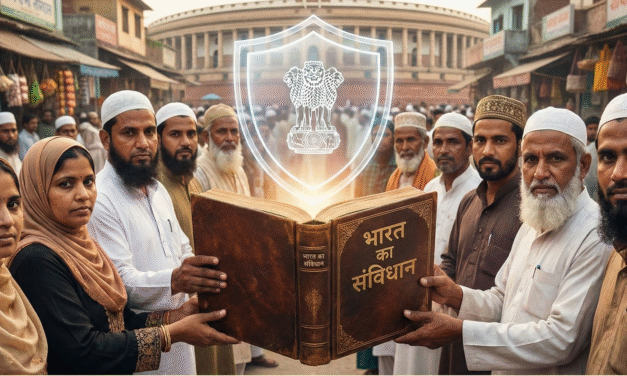
भारतीय संविधान: पसमांदा समाज की ढाल और हमारे वजूद का दस्तावेज
26 जनवरी वह दिन है जब भारत ने संविधान के ज़रिये बराबरी, आज़ादी और न्याय पर आधारित नया सामाजिक समझौता अपनाया। संविधान ने सत्ता को जनता के अधीन किया, बहुमत और सरकार पर कानून की लगाम लगाई और जाति-धर्म आधारित अन्याय तोड़ा। इसी ने पसमांदा समाज को नागरिक अधिकार, आरक्षण, प्रतिनिधित्व और न्यायिक सुरक्षा दी। संविधान से ही पसमांदा सुरक्षित है, और पसमांदा की सुरक्षा से भारत मज़बूत।
Read More
“काफ़िर” शब्द की असलियत: सियासी गाली से क़ुरआनी संदर्भ तक
— डॉ. उज़्मा ख़ातून आज के सियासी माहौल में ‘काफ़िर’ शब्द को उसकी रूहानी और धार्मिक...
Read More