
Category: Gender Equality and Women’s Rights
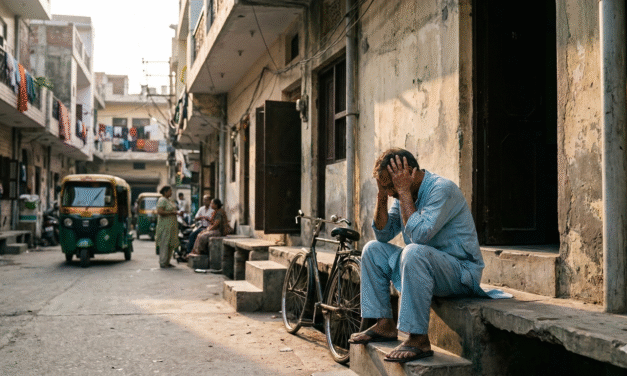
क्या पितृसत्ता ने मर्दों से उनका सुकून छीन लिया है?
हर साल 8 मार्च को महिला अधिकारों पर बहस होती है, लेकिन इस चर्चा में एक सच अक्सर छूट जाता है—पितृसत्ता सिर्फ औरतों को ही नहीं, मर्दों को भी कैद करती है। बचपन से ही लड़कों को सख्त और निडर बनने की सीख दी जाती है, जिससे उनकी भावनाएँ दब जाती हैं। यह व्यवस्था उन्हें ताकत का भ्रम तो देती है, मगर बदले में उनसे उनकी संवेदनशीलता, सुकून और इंसानियत छीन लेती है।
Read More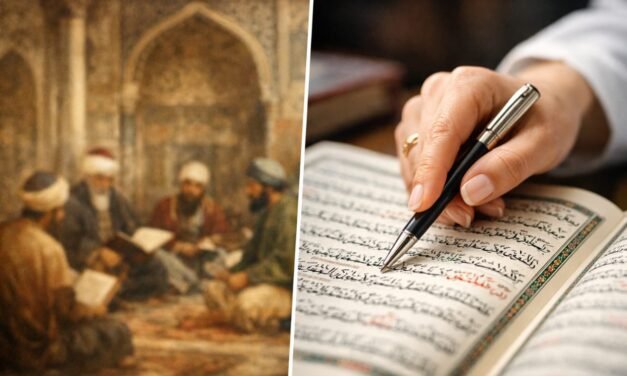
मुस्लिम समाज को महिलाओं के दृष्टिकोण से क़ुरआन की व्याख्या की ज़रूरत क्यों है?
क़ुरआन ईश्वरीय वह्य है, जबकि तफ़्सीर मानवीय समझ की कोशिश। इतिहास में अधिकतर व्याख्याएँ पुरुष दृष्टिकोण से गढ़ी गईं, जिससे महिलाओं के अनुभव हाशिये पर रहे। क़ुरआन नैतिक बराबरी, इंसाफ़ और रहम की बात करता है। इसलिए ज़रूरी है कि वह्य और व्याख्या में फर्क पहचानकर, समकालीन संदर्भ में आयतों को उसके व्यापक नैतिक संदेश की रोशनी में समझा जाए—ताकि परंपरा को बरक़रार रखते हुए न्यायपूर्ण पुनर्विचार संभव हो।
Read More
Why Muslim Society Needs the Qur’an from Women’s Perspectives
The Qur’an is divine revelation, but tafsir is a human effort shaped by history. For centuries, interpretation was largely male-dominated, limiting women’s perspectives. Yet the Qur’an addresses believing men and women equally, emphasizing justice and mercy. Re-examining contested verses like 4:34 through context and language does not alter revelation; it refines understanding. If moral responsibility is shared, interpretive responsibility must be shared as well.
Read More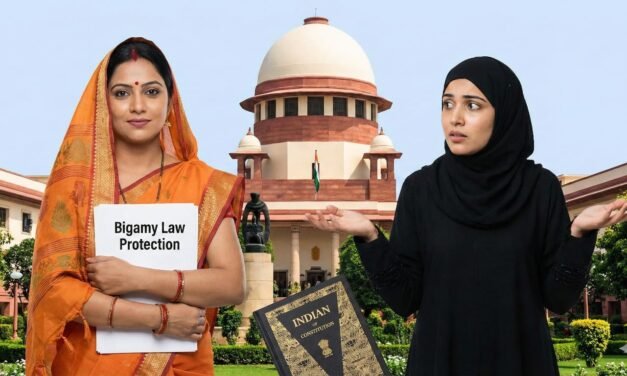
बहुविवाह: मज़हबी हक़ या सामाजिक नाइंसाफी?
भारतीय मुस्लिम समाज में बहुविवाह का मुद्दा अब धार्मिक बहस से आगे बढ़कर मानवाधिकार, संवैधानिक समानता और सामाजिक न्याय का प्रश्न बन गया है। BMMA के सर्वे और कई महिलाओं की दर्दनाक कहानियाँ दिखाती हैं कि अनियंत्रित बहुविवाह आर्थिक तंगी, मानसिक आघात और सामाजिक अपमान का कारण बनता है, विशेषकर पसमांदा परिवारों में। कानूनी असमानता भी बनी हुई है, जहाँ मुस्लिम महिलाओं को वह सुरक्षा नहीं मिलती जो अन्य समुदायों की महिलाओं को प्राप्त है। कुरान की ‘इंसाफ’ की शर्त practically पूरी होना नामुमकिन बताती है, जिससे एक विवाह का सिद्धांत ही मूल बनता है। इसलिए सुधार और कड़े कानून इंसाफ तथा मानवीय गरिमा की मांग हैं।
Read More
From Salwar-Kameez to Hijab: The Crisis of Indian Muslim Identity
A subtle cultural shift is reshaping Indian Muslim identity as “Arabization” or “Gulfization” grows through Gulf migration, petro-funded ideology, global media, and aspirational class markers. This trend replaces India’s syncretic Ganga-Jamuni Islamic heritage—rooted in Sufism, local customs, and shared cultural practices—with stricter, standardized doctrines. Changing dress, food habits, and especially the veil symbolize this shift, shaped by caste and patriarchy: historically an Ashraf privilege, now promoted as universal piety, marginalizing Pasmanda culture. Politically, visible “Arab” markers intensify Islamophobic narratives, creating a cycle of resistance. True empowerment lies in embracing an Islam harmonious with India’s indigenous traditions.
Read More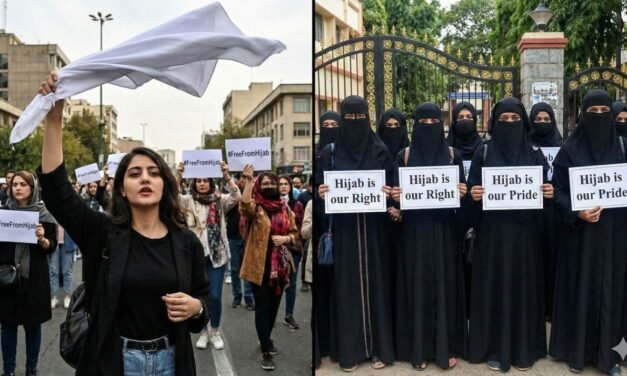
हिजाब: अशराफ़िया पितृसत्ता और पसमांदा पहचान का द्वंद्व
~ अब्दुल्लाह मंसूर एक तरफ ईरान में लड़कियाँ #FreeFromHijab का नारा बुलंद करते हुए हिजाब को हवा में...
Read More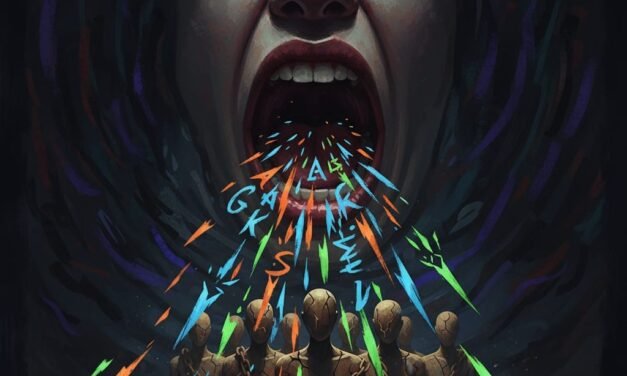
गाली और आत्मसम्मान: शब्दों में छिपा अस्तित्व का संघर्ष
~अब्दुल्लाह मंसूर गालियाँ हर समाज और हर ज़ुबान में मिलती हैं। उन्हें केवल गुस्से या अपमान का...
Read More
Islam Against Dowry: Reclaiming Women’s Dignity in Marriage
Dowry, once a voluntary gift for a bride’s welfare, has become a tool of greed, oppression, and violence, claiming thousands of women’s lives annually in India. Families fall into debt, daughters are treated as commodities, and brides are harassed or killed when demands aren’t met. Despite the Dowry Prohibition Act, weak enforcement and social stigma hinder justice. True change requires education, gender equality, property rights for women, and rejecting lavish marriage customs. From an Islamic perspective, dowry is un-Islamic; Islam prescribes Mahr, which empowers women. Society must combine legal reform, awareness, and empowerment to abolish dowry and protect women’s dignity.
Read More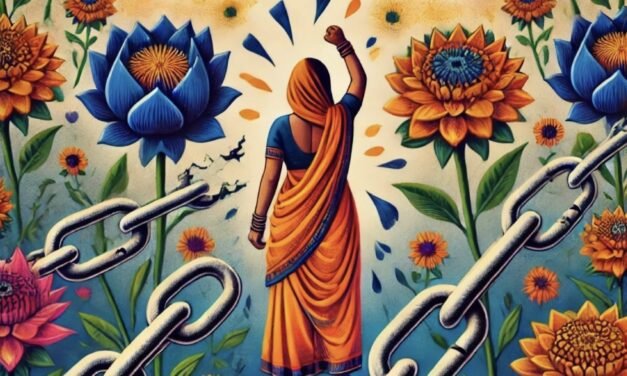
सवर्ण केंद्रित नारीवाद बनाम बहुजन न्याय का स्त्री विमर्श
भारतीय नारीवाद में अक्सर सवर्ण, शहरी महिलाओं की आवाज़ हावी रहती है, जबकि दलित, आदिवासी और पसमांदा औरतों की हकीकतें हाशिए पर धकेल दी जाती हैं। अब्दुल बिस्मिल्लाह का उपन्यास *‘कुठाँव’* मुस्लिम समाज में जाति, वर्ग और लिंग आधारित भेदभाव को उजागर करता है। बहुजन स्त्रियाँ नारीवाद को अपनी ज़मीनी ज़रूरतों—इज़्ज़त, शिक्षा, सुरक्षा और अस्तित्व—के संघर्ष से परिभाषित करती हैं। पायल तडवी की आत्महत्या जैसी घटनाएँ इस असमानता को उजागर करती हैं। लेख समावेशी और न्यायसंगत स्त्री विमर्श की वकालत करता है, जो हर महिला की पहचान, अनुभव और संघर्ष को जगह देता है—सिर्फ़ “चॉइस” नहीं, “इंसाफ़” की लड़ाई के साथ।
Read More
MindHunter: अपराधी कैसे सोचते हैं?
MindHunter एक गंभीर और शोधपरक क्राइम ड्रामा है, जो FBI की Behavioral Science Unit की शुरुआत और अपराधियों के मनोविज्ञान की पड़ताल करता है। यह दिखाता है कि कैसे समाज, परिवार और बचपन के आघात अपराध की जड़ बनते हैं। सीरीज़ संवादों, मानसिक द्वंद्व और गहरी सिनेमैटोग्राफी के जरिए अपराध के पीछे छिपे कारणों को उजागर करती है। यह क्रिमिनल प्रोफाइलिंग और ‘सीरियल किलर’ जैसी अवधारणाओं की नींव रखती है। MindHunter मनोरंजन नहीं, बल्कि चेतना जगाता है। यह दर्शकों को सोचने पर मजबूर करता है कि अपराध केवल व्यक्ति की नहीं, पूरे समाज की जिम्मेदारी भी हो सकती है।
Read More
समीक्षा: “एडोलेसेंस”, किशोरों की ज़िंदगी और उनकी चुनौतियाँ
लेखक: अब्दुल्लाह मंसूर नेटफ्लिक्स की सीरीज “एडोलेसेंस” एक ऐसी कहानी है जो किशोरों की दुनिया की...
Read More
सुन री सखी, मेरी प्यारी सखी!
लेखिका: पायल …तभी सखी को एहसास होता है कि लड़कियाँ लड़कों से कम थोड़े न हैं। अतः सखी ने अपनी...
Read More